
Semaglutide vs Tirzepatide: What the Clinical Trials Actually Show (April 2026)
SURMOUNT-5 trial data shows tirzepatide produces 6.5% more weight loss than semaglutide (20.2% vs 13.7%). Full clinical comparison April 2026.

Most comparisons between tirzepatide and semaglutide rely on piecing together data from different trials and hoping the populations were similar enough to make valid conclusions. That approach falls apart when you're trying to make a real decision about which medication to take. SURMOUNT-5 changed the conversation by testing both drugs directly against each other at maximum doses for 72 weeks. What follows is what the trial actually revealed about weight loss outcomes, tolerability differences, muscle preservation concerns, and the clinical nuances that matter when you're choosing between the two.
TLDR:
- Tirzepatide produced 6.5% more weight loss than semaglutide in the only head-to-head trial (20.2% vs 13.7%)
- Both drugs share similar nausea rates, but semaglutide causes more vomiting and constipation
- Tirzepatide users lost 1-2% more lean muscle mass due to faster weight loss speed
- Semaglutide has FDA approval for cardiovascular risk reduction; tirzepatide's CV trials are ongoing
- BioHackLabsHQ provides evidence-based GLP-1 research analysis with a measurement-first framework
What Semaglutide Is and How It Works
Semaglutide is a GLP-1 receptor agonist that mimics the incretin hormone GLP-1, which your gut naturally releases after eating. It binds to a single receptor type and triggers three key effects:
- Reduced appetite through central signaling in the brain's hypothalamus
- Slower gastric emptying, which keeps you feeling full longer
- Glucose-dependent insulin secretion, lowering blood sugar without the crash
Novo Nordisk originally developed semaglutide for type 2 diabetes under the brand name Ozempic. After clinical trials revealed consistent weight loss among participants, the company introduced a higher-dose formulation marketed as Wegovy for chronic weight management. Same molecule, different dosing target, separate indication.
What Tirzepatide Is and How It Works
Tirzepatide is a dual GIP/GLP-1 receptor agonist that activates two incretin receptors instead of one. Eli Lilly developed it and sells it under the brand names Mounjaro (for type 2 diabetes) and Zepbound (for weight management).
GIP, or glucose-dependent insulinotropic polypeptide, is a gut hormone released after meals that influences fat metabolism, insulin sensitivity, and nutrient storage. By binding both GIP and GLP-1 receptors simultaneously, tirzepatide produces overlapping but distinct metabolic signals: the appetite suppression and slowed gastric emptying from GLP-1 activation, plus added GIP activity that appears to amplify insulin secretion and may influence how the body handles fat tissue at a cellular level.
Weight Loss Efficacy: What the SURMOUNT-5 Trial Shows
Until late 2024, every comparison between tirzepatide and semaglutide relied on cross-trial inference. The SURMOUNT-5 trial changed that as the first randomized, double-blind, head-to-head study pitting maximum doses of both drugs against each other over 72 weeks.
The results were lopsided. Participants on tirzepatide (15 mg) lost a mean of 20.2% of their body weight, while those on semaglutide (2.4 mg) lost 13.7%. That 6.5 percentage point gap is clinically meaningful; for someone starting at 250 pounds, it translates to roughly 16 additional pounds lost.
If you're weighing tirzepatide vs semaglutide for weight loss, SURMOUNT-5 is the only trial where they were tested under identical conditions at full doses. No extrapolation required.
Both arms produced substantial results. A 13.7% reduction on semaglutide is far from trivial. But if raw weight loss magnitude is your primary metric, the data clearly favors tirzepatide.
| Metric | Tirzepatide (15 mg) | Semaglutide (2.4 mg) |
|---|---|---|
| Mean Weight Loss (72 weeks, SURMOUNT-5) | 20.2% of body weight | 13.7% of body weight |
| HbA1c Reduction (12 months, real-world data) | 1.3% reduction | 0.9% reduction |
| Nausea Incidence | 44% of participants | 44% of participants |
| Vomiting and Constipation | Lower rates compared to semaglutide | Higher rates, including increased GERD |
| Lean Mass Loss (12 months) | 2% greater reduction than semaglutide | Lower lean mass loss due to slower weight reduction |
| Hair Loss Incidence | 4-5% of participants | 3% of participants |
| Cardiovascular Risk Reduction Approval | No FDA approval yet; trials ongoing | FDA-approved indication from SELECT trial |
| Mechanism of Action | Dual GIP/GLP-1 receptor agonist | Single GLP-1 receptor agonist |
Glycemic Control and HbA1c Reduction Differences
Weight loss gets the headlines, but blood sugar control tells its own story. A real-world analysis of GLP-1 naive patients found that at 12 months, tirzepatide users saw HbA1c drop by 1.3% compared to 0.9% for semaglutide users. The weight loss gap tracked similarly: 10.2 kg versus 6.1 kg.
That 0.4% HbA1c difference matters for people managing type 2 diabetes, where even small reductions lower the risk of microvascular complications over time. GIP receptor activation enhances glucose-dependent insulin secretion through a pathway that GLP-1 alone doesn't fully cover, which may explain why tirzepatide consistently edges ahead on glycemic markers.
Gastrointestinal Side Effects and Tolerability Profiles
Both drugs hit the gut hard during dose escalation, but the specifics diverge in ways worth noting. In SURMOUNT-5, nausea rates were virtually identical at 44% for both tirzepatide and semaglutide. Diarrhea landed in the same range too, around 23-24%. Abdominal pain showed no meaningful separation.
Where the gap appeared was elsewhere. Semaglutide produced higher rates of vomiting, constipation, and GERD. If you've been on Wegovy and found reflux or constipation particularly disruptive, that pattern isn't anecdotal; the trial data backs it up.
Most GI symptoms for both medications peak during the titration phase and taper as the body adjusts. Slower dose escalation is the most common clinical strategy for managing these effects regardless of which drug you're on.
Muscle Loss and Body Composition Changes
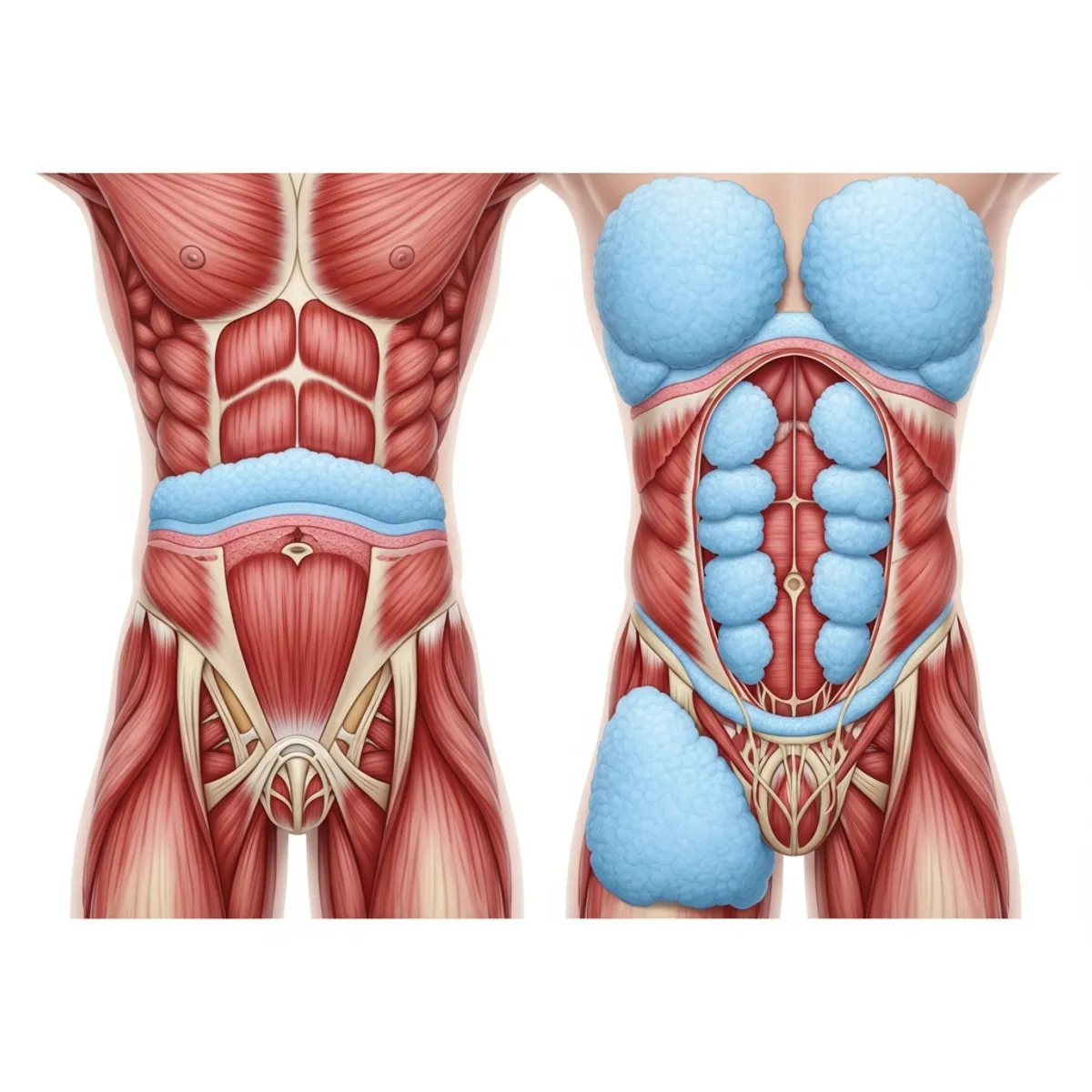
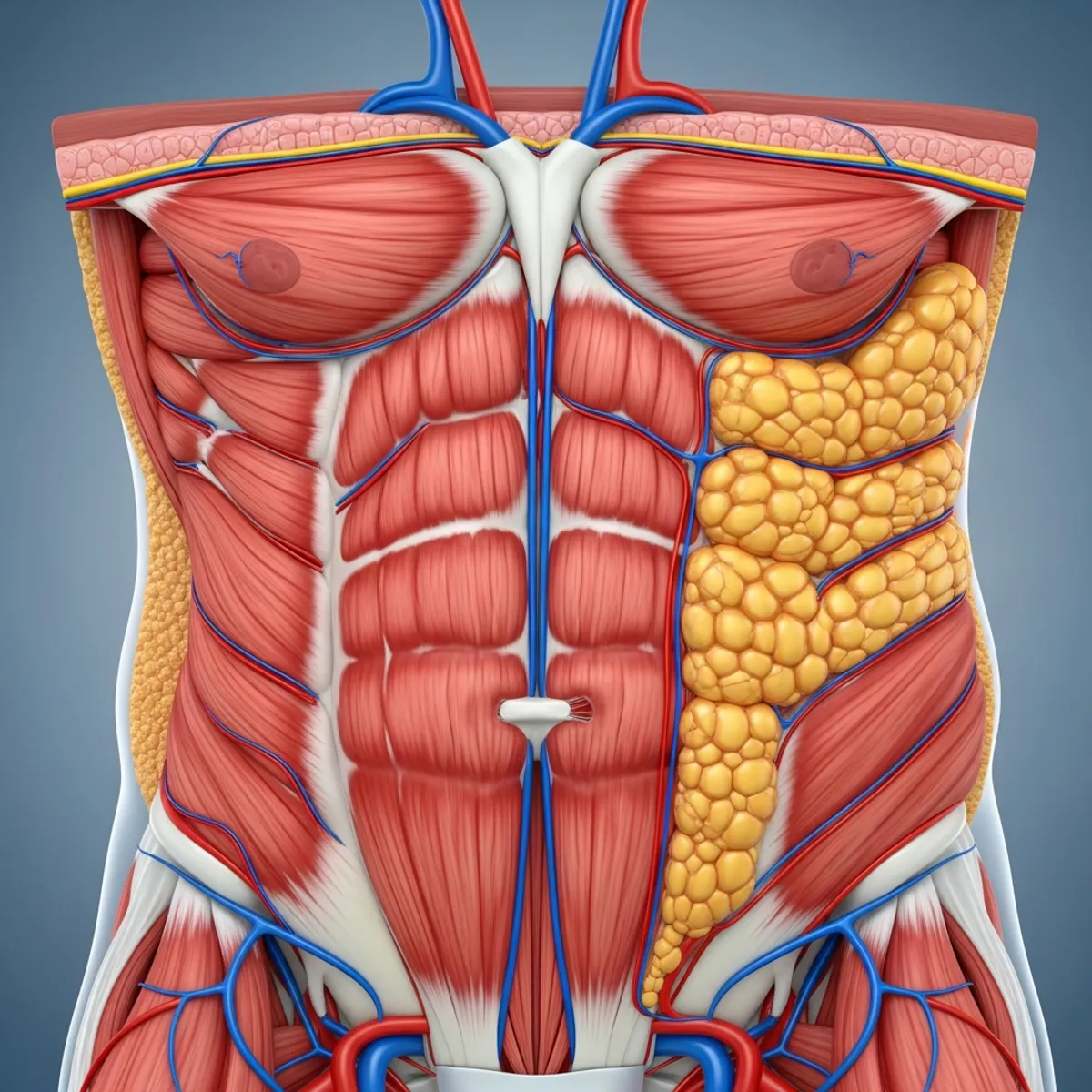
Weight loss at the scale tirzepatide produces comes with a trade-off. Recent data shows tirzepatide users lost an average of 1.1% more lean body mass than semaglutide users at three months, widening to 2% more at twelve months. Among patients who shed over 20% of body weight, roughly one in ten on tirzepatide experienced lean mass reductions exceeding 5%.
That's a flag worth paying attention to, not a dealbreaker. The greater total weight loss on tirzepatide makes proportionally higher lean mass loss almost inevitable. Resistance training and adequate protein intake remain the two most evidence-supported strategies for preserving muscle during rapid weight loss on either medication.
Hair Loss Incidence and Telogen Effluvium
Hair thinning shows up in trial data for both medications, though the numbers are modest. About 3% of participants taking Wegovy reported hair loss, compared to 4-5% in Zepbound trials. The pattern tracks with weight loss speed: tirzepatide produces more rapid caloric deficit, a well-documented trigger for telogen effluvium, where hair follicles prematurely shift from growth phase to shedding phase.
The drug itself likely isn't the direct cause. The culprit is metabolic stress from losing weight quickly, so the medication producing greater total loss will naturally carry a slightly higher incidence. Adequate protein intake, micronutrient status (iron, zinc, biotin), and a measured titration schedule all help reduce risk on either drug.
Switching Between Medications: Dose Conversion and Washout Considerations
No validated dose equivalence chart exists between semaglutide and tirzepatide, and for good reason: one drug activates a single receptor while the other targets two. Mapping milligrams across fundamentally different mechanisms of action is not a math problem with a clean answer.
If you're considering switching from semaglutide to tirzepatide due to a weight loss plateau or persistent side effects, the safest protocol most clinicians follow is restarting at the lowest available dose of the new medication and titrating up. Skipping ahead based on internet conversion tables risks stacking GI side effects that could have been avoided entirely.
A washout period isn't always necessary, but timing should be guided by your prescriber based on your current dose, tolerability history, and metabolic goals.
Cardiovascular Outcomes and Long-Term Safety Data
Semaglutide has the longer track record here. The SELECT trial earned it an FDA-approved indication for cardiovascular risk reduction in adults with obesity and existing cardiovascular disease. Tirzepatide doesn't have that label yet; its dedicated cardiovascular outcome trials are still running.
That said, a 2025 trial emulation analysis found that both drugs showed similar levels of cardiovascular benefit in individuals with obesity, diabetes, and high cardiovascular risk. The results are encouraging for tirzepatide, but "trial emulation" and "randomized controlled trial" carry different evidentiary weight. Until tirzepatide's own CV outcome data matures, semaglutide remains the only GLP-1 agonist with a formal cardiovascular risk reduction indication.
Where BioHackLabsHQ Fits: Evidence-First Analysis of GLP-1 Research
We built BioHackLabsHQ to do one thing well: read the research so you don't have to guess. GLP-1 agonists like semaglutide and tirzepatide have strong clinical data behind them, but strong data still has boundaries. Knowing where those boundaries sit matters more than picking a winner from a headline.
Our approach starts with measurement. Baseline bloodwork, metabolic markers, body composition data. Then track what changes and what doesn't. That's how you turn a prescription into a protocol you can actually assess.
Final Thoughts on Picking Between These Two GLP-1 Medications
Tirzepatide wins on raw weight loss and glycemic control, but that doesn't make it the automatic choice for everyone on a semaglutide vs tirzepatide decision tree. Semaglutide has cardiovascular outcome data tirzepatide hasn't earned yet, and the muscle loss gap matters if you're already lifting consistently. Both drugs demand the same fundamentals: adequate protein, resistance training, and actual measurement of what's changing in your body. Start where your prescriber recommends, track your markers, and switch only if the data gives you a reason.
FAQ
Which drug produces greater weight loss: tirzepatide or semaglutide?
Tirzepatide produces 6.5 percentage points more weight loss than semaglutide at maximum doses according to the SURMOUNT-5 trial: 20.2% versus 13.7% over 72 weeks. For a 250-pound individual, that translates to roughly 16 additional pounds lost.
Should I switch from semaglutide to tirzepatide if I've hit a weight loss plateau?
Switching may help break a plateau, but restart at the lowest tirzepatide dose and titrate up instead of jumping to a "converted" dose. No validated dose equivalence exists between the two drugs because they work through different receptor mechanisms, and skipping titration steps can trigger unnecessary gastrointestinal side effects.
Does tirzepatide cause more muscle loss than semaglutide?
Yes, tirzepatide users lost 1.1% more lean body mass at three months and 2% more at twelve months compared to semaglutide users. This tracks with faster total weight loss. Resistance training two to three times weekly and protein intake of 1.2 to 1.6 grams per kilogram daily can help preserve muscle on either medication.
Is hair loss more common with tirzepatide or semaglutide?
Hair loss rates are similar: 3% for semaglutide and 4-5% for tirzepatide. The slightly higher rate with tirzepatide likely reflects faster weight loss triggering telogen effluvium, not a direct drug effect. Adequate protein, iron, zinc, and slower dose titration reduce risk on both medications.
Which medication is better if I have type 2 diabetes and need better blood sugar control?
Tirzepatide produces greater HbA1c reduction: 1.3% versus 0.9% for semaglutide at 12 months in real-world data. The dual GIP/GLP-1 receptor activation enhances glucose-dependent insulin secretion through pathways GLP-1 alone doesn't fully cover, making it the stronger choice for glycemic control.
Frequently asked questions
- 01 Which drug produces greater weight loss: tirzepatide or semaglutide?
- Tirzepatide produces 6.5 percentage points more weight loss than semaglutide at maximum doses according to the SURMOUNT-5 trial—20.2% versus 13.7% over 72 weeks. For a 250-pound individual, that translates to roughly 16 additional pounds lost.
- 02 Should I switch from semaglutide to tirzepatide if I've hit a weight loss plateau?
- Switching may help break a plateau, but restart at the lowest tirzepatide dose and titrate up rather than jumping to a "converted" dose. No validated dose equivalence exists between the two drugs because they work through different receptor mechanisms, and skipping titration steps can trigger unnecessary gastrointestinal side effects.
- 03 Does tirzepatide cause more muscle loss than semaglutide?
- Yes, tirzepatide users lost 1.1% more lean body mass at three months and 2% more at twelve months compared to semaglutide users. This tracks with faster total weight loss. Resistance training two to three times weekly and protein intake of 1.2 to 1.6 grams per kilogram daily can help preserve muscle on either medication.
- 04 Is hair loss more common with tirzepatide or semaglutide?
- Hair loss rates are similar: 3% for semaglutide and 4-5% for tirzepatide. The slightly higher rate with tirzepatide likely reflects faster weight loss triggering telogen effluvium, not a direct drug effect. Adequate protein, iron, zinc, and slower dose titration reduce risk on both medications.
- 05 Which medication is better if I have type 2 diabetes and need better blood sugar control?
- Tirzepatide produces greater HbA1c reduction—1.3% versus 0.9% for semaglutide at 12 months in real-world data. The dual GIP/GLP-1 receptor activation enhances glucose-dependent insulin secretion through pathways GLP-1 alone doesn't fully cover, making it the stronger choice for glycemic control.
- 06 Can I use tirzepatide without JavaScript or technical setup?
- Tirzepatide is an injectable medication that requires no technical knowledge to use. You receive pre-filled pens that inject subcutaneously once weekly, following the dose escalation schedule your prescriber provides.
- 07 What's the fastest way to start a GLP-1 medication in 2025?
- Most patients access semaglutide or tirzepatide through telehealth prescribers who ship medications directly after a virtual consultation. Traditional insurance routes often involve prior authorization delays of several weeks, while cash-pay options through compounding pharmacies can start within days.
- 08 How do tirzepatide vs semaglutide side effects compare beyond nausea?
- Nausea rates are identical at 44% for both drugs, but semaglutide produces higher rates of vomiting, constipation, and GERD. Tirzepatide users experience slightly more diarrhea and abdominal discomfort during titration, though these typically resolve after dose stabilization.
- 09 What is the semaglutide to tirzepatide dose conversion formula?
- No validated conversion exists because semaglutide activates one receptor (GLP-1) while tirzepatide activates two (GIP/GLP-1). Most clinicians restart at the lowest tirzepatide dose (2.5 mg) when switching, regardless of your previous semaglutide dose, then titrate up based on individual response.
- 10 Why is Mounjaro better than Ozempic for HbA1c reduction?
- Mounjaro (tirzepatide) reduces HbA1c by 1.3% compared to Ozempic's (semaglutide) 0.9% at 12 months because GIP receptor activation enhances insulin secretion through pathways GLP-1 alone doesn't cover. This dual mechanism produces stronger glycemic control in patients with type 2 diabetes.
- 11 When does it make sense to choose semaglutide over tirzepatide?
- Semaglutide makes sense if you have established cardiovascular disease and want the only GLP-1 with an FDA-approved cardiovascular risk reduction indication. Tirzepatide's cardiovascular outcome trials are still ongoing, so semaglutide currently holds the edge for documented CV protection.
- 12 How much does tirzepatide cost per month compared to semaglutide?
- Brand-name tirzepatide (Zepbound) and semaglutide (Wegovy) both cost $1,000-1,300 monthly without insurance. Compounded versions run $250-400 monthly for either medication, though quality control varies by pharmacy and these formulations lack FDA approval for weight management.
- 13 Can I preserve muscle mass while taking tirzepatide at maximum dose?
- Yes, through resistance training two to three times weekly and protein intake of 1.2 to 1.6 grams per kilogram daily. While tirzepatide users lose 1-2% more lean mass than semaglutide users due to faster weight loss, these strategies reduce muscle loss regardless of which medication you take.
- 14 What are the benefits of tirzepatide vs semaglutide beyond weight loss?
- Tirzepatide produces greater HbA1c reduction (1.3% vs 0.9%), which lowers microvascular complication risk in diabetic patients. Both drugs improve cardiovascular markers, but semaglutide currently has stronger published cardiovascular outcome data and an FDA indication for CV risk reduction.
- 15 Should I take tirzepatide if I'm already experiencing hair thinning?
- Hair loss from GLP-1 medications is usually temporary telogen effluvium triggered by rapid weight loss, not permanent follicle damage. If you're already thinning, slower dose titration, adequate protein intake, and checking iron, zinc, and biotin levels before starting can reduce additional shedding risk on either medication.