
Creatine and Caffeine: Do They Actually Cancel Each Other Out? (June 2026)
Learn if creatine and caffeine actually cancel each other out. Current research from June 2026 shows they work together for strength and cognitive performance.
Everyone warns you about mixing creatine and caffeine, but the actual evidence doesn't support a blanket ban. One study from 1996 found that caffeine reduced creatine's effect on muscle relaxation time during a loading phase with continuous high caffeine intake. Since then, multiple studies found no interference on strength, power, or cognitive performance when combining the two at normal doses.
TLDR:
- The 1996 study claiming creatine and caffeine cancel each other out is outdated and narrow.
- Recent research shows combining them improves cognitive performance better than either alone.
- Separating intake by a few hours is optional; daily creatine consistency matters more than timing.
- Most pre-workouts under-dose creatine at 1-2g; buy 3-5g monohydrate separately instead.
The Origin of the Myth: Where the Creatine and Caffeine Controversy Began
The whole controversy traces back to a 1996 study by Vandenberghe et al., published in the Journal of Applied Physiology. Researchers found that caffeine negated creatine's ergogenic effect on muscle relaxation time during intermittent exercise. That one finding, from one small study, became the root of a claim that has circulated for nearly three decades: creatine and caffeine cancel each other out.
Why did it stick? The study came from a credible lab, the result was surprising, and it gave fitness communities a clean, quotable takeaway. Reddit threads and gym forums repeated it for years without much pushback. Few people read beyond the abstract, and fewer still tracked the follow-up research that painted a very different picture.
What Current Research Actually Shows About Creatine and Caffeine Performance Effects
The follow-up research tells a more complicated story than "they cancel each other out." A 2015 review by Trexler and Smith-Ryan in the International Journal of Sport Nutrition and Exercise Metabolism analyzed the available evidence and concluded that an acute caffeine dose taken alongside creatine does not appear to blunt creatine's ergogenic effects on strength or power output. The authors flagged chronic high-dose caffeine during creatine loading as the only protocol where interference has been observed.
Where things get murkier is chronic daily caffeine intake during a creatine loading phase. Some evidence suggests continuous high consumption (5+ mg/kg body weight per day) may blunt creatine's benefits on muscle relaxation time alone. Even here, the effect was narrow and protocol-dependent, not a wholesale cancellation.
The practical distinction matters: a cup of coffee before training while supplementing creatine daily is a very different scenario from consuming 400+ mg of caffeine every day during a five-day loading phase. Most people fall into the first category, and the research gives that combination a clear pass.
Creatine and Caffeine Effects on Cognitive Function: What One Study Found
Most of the creatine and caffeine discussion stays locked in the gym. But the cognitive research is more interesting: the combination appears to do the opposite of canceling out.
A 2015 study in the Journal of the International Society of Sports Nutrition tested co-ingestion of creatine nitrate and caffeine on cognitive performance. Participants who received both compounds showed improved scores on cognitive interference tests compared to those who received caffeine alone, outperforming it on measures of mental processing speed and accuracy under cognitive load.
Two caveats matter here. The study used creatine nitrate, not the monohydrate form most people supplement with and that the rest of this article recommends. And it's a single trial without replication. The mechanism is plausible, but the cognitive case for combining creatine and caffeine rests on thin evidence right now.
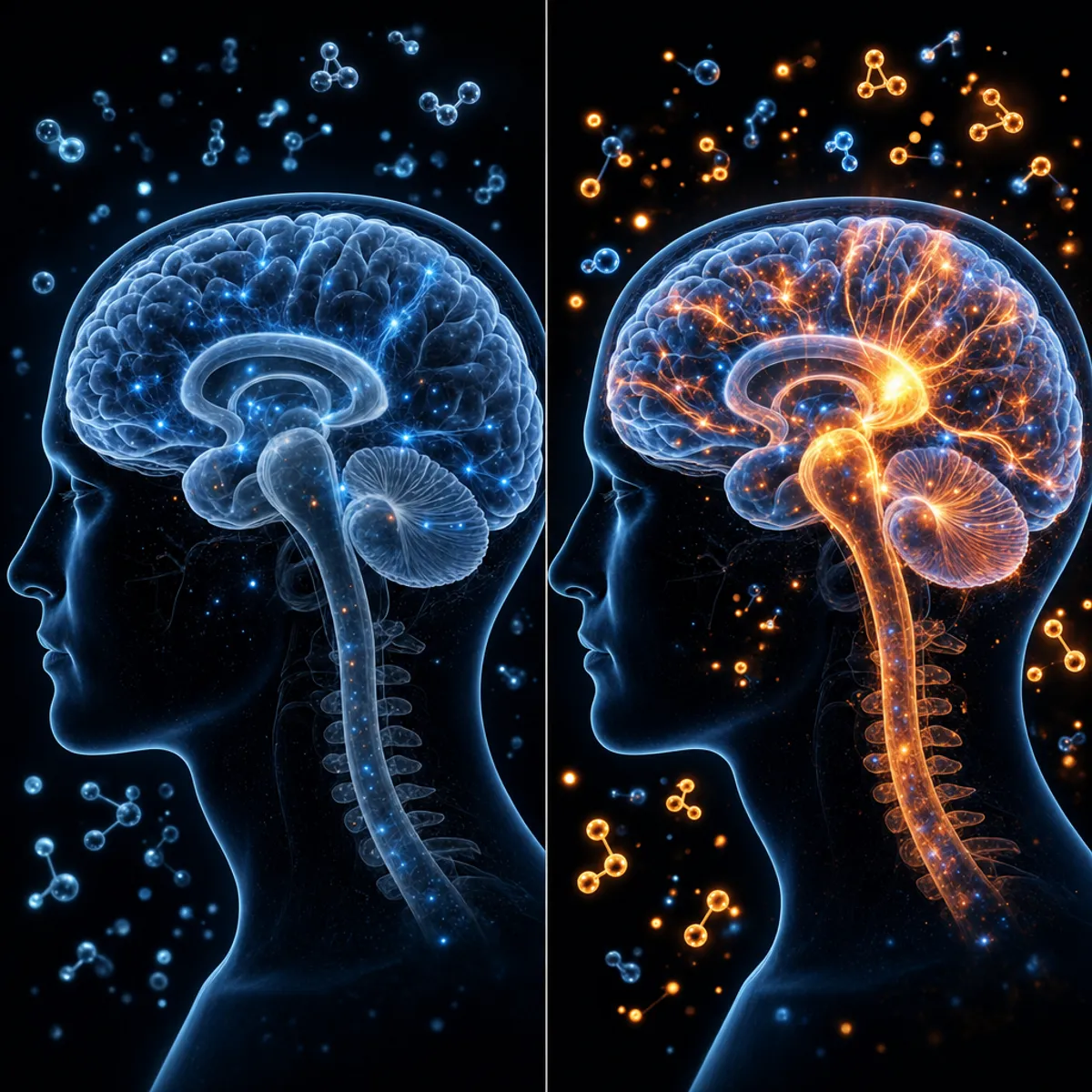
What stands out here is the direction of the effect: creatine and caffeine together produced better cognitive outcomes than either compound on its own.
The brain is one of the most ATP-hungry organs in the body, and creatine helps buffer that demand. Caffeine blocks adenosine receptors and increases alertness. These two mechanisms are complementary, not competitive, for mental performance. The data is still early, but it runs counter to the blanket claim that these supplements work against each other.
Timing Strategies: How to Structure Creatine and Caffeine Intake
If you want to play it safe, separating creatine and caffeine by a few hours is a reasonable approach. But current evidence doesn't demand strict separation for most people. Timing matters far less than consistency of creatine intake and appropriate caffeine dosing.
A Few Practical Frameworks
- Take creatine with a morning meal or post-workout shake, and have coffee whenever you normally would. Creatine's benefits come from chronic saturation, not acute timing.
- If you train fasted with caffeine, take creatine later in the day with food. Stomach comfort tends to be better with food anyway.
- If your pre workout contains both creatine and caffeine, that's fine for most people. The acute caffeine dose in a single serving falls well below the threshold where interference has been observed in any study.
What Actually Matters More
The fixation on timing often distracts from two variables that carry more weight: hitting 3 to 5 grams of creatine daily without gaps, and keeping caffeine at a dose that works for your tolerance. Get those two right, and the clock on your wall becomes irrelevant to the interaction question.
Understanding the Mechanisms: How Each Compound Actually Works
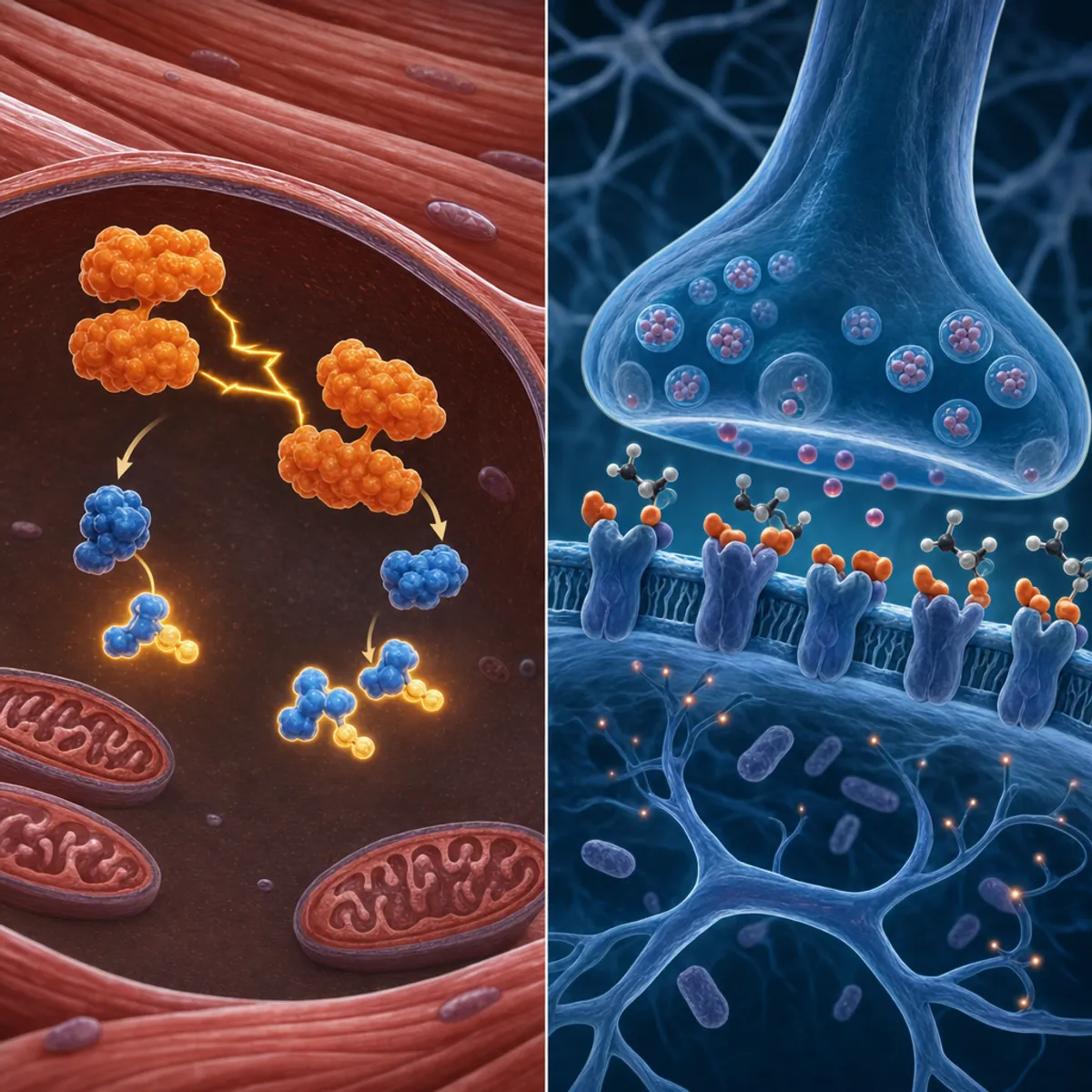
Creatine and caffeine act through entirely separate cellular systems, which is why the "cancellation" framing never made much biochemical sense.
Creatine: The Phosphocreatine System
Creatine gets taken up by skeletal muscle and converted to phosphocreatine. When ATP is depleted during high-intensity effort, phosphocreatine donates a phosphate group to regenerate ATP rapidly. The benefit is cumulative: daily supplementation increases intramuscular phosphocreatine stores over weeks, giving you a larger energy reserve for short, explosive work. No receptor binding is involved. No signaling cascade. It's a substrate-level energy buffer.
Caffeine: Adenosine Antagonism and Central Stimulation
Caffeine works through receptor competition. It binds to adenosine receptors in the central nervous system, blocking the fatigue signal that adenosine normally delivers. Downstream, this increases catecholamine release and lowers perceived exertion during exercise.
These two pathways don't share a receptor, a transporter, or a rate-limiting enzyme. One fills an energy tank; the other blocks a brake pedal. The real question was never whether they cancel each other out, but whether one might indirectly reduce the other's measurable effect under specific loading conditions.
Potential Side Effects and What to Monitor When Combining Both
Neither compound carries a dramatic risk profile on its own, and combining them doesn't create new dangers. The most common complaints are gastrointestinal: caffeine stimulates gastric acid secretion, and creatine in large boluses can cause bloating or cramping. Taking both on an empty stomach amplifies the chance of stomach discomfort.
Caffeine is a mild diuretic. Creatine pulls water into muscle cells. Together, they shift fluid dynamics in opposite directions, so staying on top of hydration matters more than usual. Watch for headaches or dark urine as early signals.
Individual variability is real. Some people tolerate 400 mg of caffeine alongside creatine without a single issue; others feel jittery at half that dose. Log how you feel for two weeks when starting the combination, and if something's off, adjust the caffeine dose first since it's the faster-acting variable.
Pre-Workout Formulas: Reviewing Products That Contain Both Ingredients
Most pre-workout formulas that include both creatine and caffeine under-dose the creatine. You'll commonly see 1 to 2 grams per serving when research supports 3 to 5 grams daily for saturation. That gap means you'd need to supplement creatine separately anyway, which defeats the convenience argument.
| What to Check on the Label | Why It Matters |
|---|---|
| Creatine dose per serving | Below 3g means you'll need additional supplementation |
| Creatine form (monohydrate vs. other) | Monohydrate has the strongest research backing |
| Caffeine per serving | Match to your known tolerance; 150 to 300 mg is a common effective range |
| Proprietary blends | Hide individual ingredient doses, making evaluation impossible |
If a product uses a proprietary blend, you can't verify whether either ingredient hits an effective threshold. Skip it. Buy creatine monohydrate in bulk and pair it with whatever caffeine source you prefer. Simpler, cheaper, and you control the variables.
How to Assess Any Supplement Interaction Claim
The fix is a simple framework: trace the claim to its source, check whether follow-up research confirmed or contradicted it, and be honest about the gaps.
Final Thoughts on Using Creatine and Caffeine Together
The myth that creatine and caffeine cancel each other out deserves to be retired based on what the research actually shows. One study from 1996 launched the claim, and follow-up work has failed to confirm it as a universal rule for typical supplement use. You can take both, time them however fits your routine, and monitor your own response instead of following outdated forum advice. The evidence supports the combination for most contexts, and where uncertainty remains, we report it plainly.
FAQ
Can you take creatine and caffeine together?
Yes, you can take creatine and caffeine together. Current research shows that a cup of coffee before training while supplementing creatine daily does not cancel out the benefits of either compound, and some cognitive research suggests they may actually work better together than separately.
Does creatine and caffeine counteract each other during workouts?
No, they don't counteract each other for most people. The 1996 study that started this myth found an effect only under specific conditions: continuous high caffeine consumption (5+ mg/kg body weight daily) during a five-day creatine loading phase. A 2017 systematic review confirmed that combining creatine with an acute caffeine dose did not diminish either compound's effects on strength or power output.
What's the best timing for creatine and caffeine?
Timing matters far less than consistency of creatine intake and appropriate caffeine dosing. Take creatine with a morning meal or post-workout shake, and have coffee whenever you normally would, since creatine's benefits come from chronic saturation over weeks, not acute timing around caffeine consumption.
How do creatine and caffeine work differently in your body?
Creatine increases intramuscular phosphocreatine stores to regenerate ATP rapidly during high-intensity effort, acting as a substrate-level energy buffer. Caffeine blocks adenosine receptors in the central nervous system, preventing fatigue signals and lowering perceived exertion. These two pathways don't share a receptor, transporter, or enzyme: one fills an energy tank, the other blocks a brake pedal.
Should I use a pre workout with creatine and caffeine or buy them separately?
Buy them separately. Most pre-workout formulas under-dose creatine at 1 to 2 grams per serving when research supports 3 to 5 grams daily for saturation, and many use proprietary blends that hide individual ingredient doses. Buying creatine monohydrate in bulk paired with your preferred caffeine source is simpler, cheaper, and lets you control the variables.
Frequently asked questions
- 01 What can wearables do ?
- It can track longevity metrics